What are Non-Renewable Energy Sources?
Non-renewable energy sources are energy resources that are limited in nature and tend to be depleted over time. Here are some examples:
Fossil Fuels:
- Coal: Formed from the accumulation of plant residues over millions of years underground, coal is a fossil fuel.
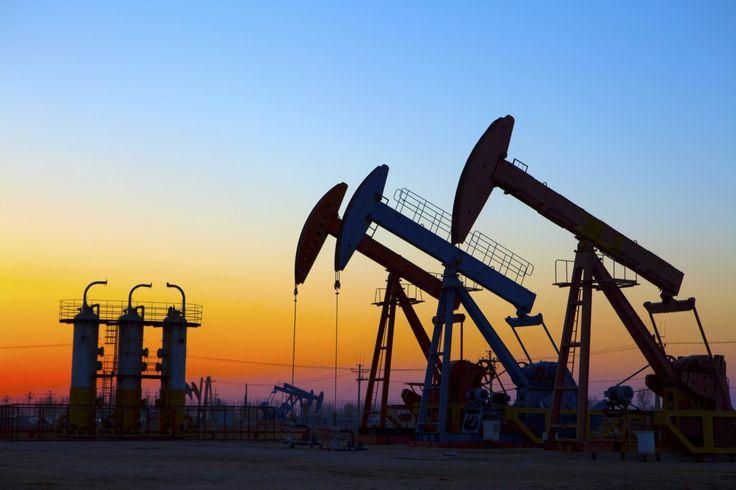
- Petroleum (Crude Oil): Resulting from the accumulation of organic materials beneath the sea floor and underground over millions of years.
- Natural Gas: Formed as a result of the decomposition of organic matter beneath the sea floor and underground.
Uranium for Nuclear Energy:
- Uranium: A radioactive element used for nuclear energy production. Energy is released through fission reactions. However, uranium is limited in nature, and its extraction and processing are challenging processes.
Natural Gas Hydrates:
- Natural gas hydrates: These are a form of methane gas trapped in ice crystals, found on the ocean floor and in polar regions.
Shale Gas:
- Shale gas: This is natural gas obtained, particularly from shale layers. The extraction of this gas relies on technologies such as hydraulic fracturing (fracking).
These energy sources may be economically important, but they are not sustainable due to their limited nature and environmental impacts. Their use can bring various environmental problems and energy security concerns. Therefore, there is increasing global interest and investment in more sustainable and environmentally friendly alternatives in energy production and consumption.
Advantages of Non-renewable Energy Sources:
- High Energy Efficiency: Fossil fuels and nuclear energy can produce large amounts of energy with small amounts of fuel.
- Continuous and Reliable Source: Fossil fuels and nuclear energy can sustain energy production continuously and often provide stable power.
- High Capacity Factor: Nuclear energy and some fossil fuel power plants have high capacity factors, utilizing a significant portion of planned production capacity.
Disadvantages of Non-renewable Energy Sources:
- Environmental Impacts: The combustion of fossil fuels contributes to greenhouse gas emissions and climate change. Processes like coal mining and oil extraction can harm natural ecosystems.
- Limited Resources: Fossil fuels and uranium are limited in nature and tend to deplete over time.
- Nuclear Safety Risks: Accidents at nuclear energy facilities pose serious environmental and health risks. Additionally, the safe storage and management of nuclear waste are challenging processes.
Where Non-renewable Energy Sources Are Used:
- Electricity Generation: Fossil fuels and nuclear energy are commonly used for electricity generation. Power plants utilize energy obtained from coal, natural gas, oil, and nuclear sources to produce electricity.
- Industrial Production: Fossil fuels are used in industrial facilities for heating, energy, and raw material production.
- Transportation: Petroleum derivatives, such as gasoline and diesel, are used as energy sources in vehicles, airplanes, and ships.
- Heating and Cooling: Fossil fuels are employed for heating and cooling purposes in homes and commercial buildings.
- Industrial Processes: In some industrial processes, especially those requiring high temperatures, nuclear energy and fossil fuels can be used.
While the widespread use of non-renewable energy sources may offer advantages in terms of energy security and economic growth, it also brings along a set of problems related to environmental sustainability. Therefore, the transition to sustainable energy sources is a globally significant issue.