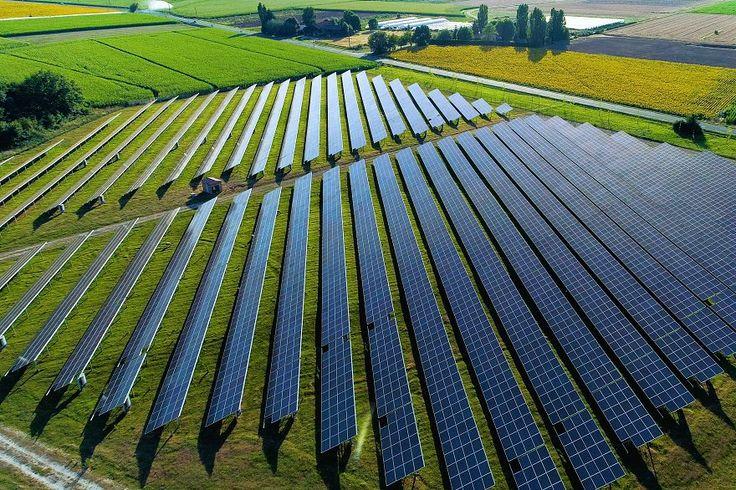
What is a Solar Field, How is It Installed?
A solar farm, also known as a solar power plant or solar park, is a large-scale installation of solar panels or solar photovoltaic (PV) arrays that convert sunlight into electricity. These solar farms are typically situated on open land or rooftops with ample sunlight exposure.
Here's an overview of what a solar farm is and how it is installed:
- Definition: A solar farm is a facility designed to harness solar energy from the sun's rays and convert it into electricity. It consists of arrays of solar panels mounted on structures such as racks or frames.
- Site Selection: The first step in establishing a solar farm is selecting an appropriate site. Ideal locations have abundant sunlight, minimal shading, and sufficient space for the installation of solar panels. Factors such as land availability, topography, and proximity to existing infrastructure (such as electrical grids) are considered during site selection.
- Permitting and Approvals: Before construction begins, developers must obtain necessary permits and approvals from local authorities and regulatory bodies. This process involves environmental assessments, land use permits, zoning approvals, and compliance with building codes and regulations.
- Design and Engineering: Once the site is secured and permits are obtained, the solar farm's design and engineering phase begins. This includes determining the layout of solar panels, optimizing orientation and tilt angles for maximum sunlight exposure, and designing the electrical infrastructure for power generation and distribution.
- Procurement and Installation: Solar panels, mounting structures, inverters, transformers, and other necessary equipment are procured from suppliers. Installation crews then assemble and install the solar panels according to the design specifications. This process involves mounting panels onto racks or frames, wiring them together, and connecting them to inverters and electrical components.
- Grid Connection: After the solar panels are installed, the solar farm is connected to the electrical grid through transformers and inverters. This allows the electricity generated by the solar panels to be fed into the grid and distributed to end-users.
- Commissioning and Testing: Once the solar farm is connected to the grid, it undergoes commissioning and testing to ensure that it operates safely and efficiently. This involves conducting performance tests, system checks, and inspections to verify compliance with regulatory standards and contractual requirements.
- Operation and Maintenance: Once operational, the solar farm requires ongoing monitoring, maintenance, and management to ensure optimal performance and longevity. This includes regular inspections, cleaning of solar panels, equipment maintenance, and troubleshooting any issues that arise.
Overall, the installation of a solar farm involves careful planning, design, and execution to harness solar energy effectively and sustainably for electricity generation.