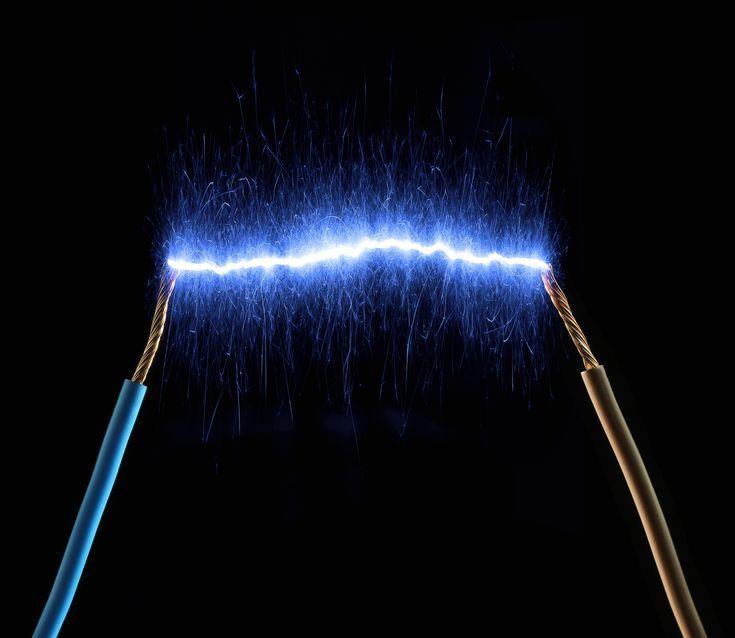
What is Wireless Electricity, How Does It Work?
Wireless electricity refers to the transmission of electrical energy without the need for traditional wired connections. This allows the transfer of electrical energy from a source to a receiver without the use of wires or cables. There are several different technologies and methods for wireless electricity transmission, but two of the most well-known and commonly used methods are based on magnetic resonance and magnetic induction.
Here are some of the basic working principles of wireless electricity:
- Magnetic Resonance: In this method, energy transfer is facilitated by the magnetic resonance between primary (transmitter) and secondary (receiver) coils. Magnetic resonance involves the coils vibrating at a matching frequency. In magnetic resonance systems, energy transfer can be more efficient, even over longer distances.
- Magnetic Induction: Wireless electricity based on magnetic induction relies on the creation of a magnetic field by a primary coil, which is then detected by a secondary coil to be converted into an electric current. This method is used for short-distance energy transfer and is commonly found in wireless charging devices.
- Radio Frequency (RF) Wireless Electricity: RF energy allows energy transfer through a radio frequency signal. This method is particularly suitable for low-power devices. RF wireless energy transfer is based on transmitting power through radio waves.
Wireless electricity enables devices to have greater mobility and independence. However, factors such as energy efficiency, security, and environmental impacts need to be considered. Therefore, ongoing research is focused on addressing these concerns as wireless electricity technologies are developed.